
Weasis is a multipurpose standalone and web-based DICOM viewer with a highly modular architecture. It’s available as a desktop applicatoin or as a web-based application. It’s used in healthcare by hospitals, health networks, multicenter research trials, and patients. Images can be viewed using web based HTML5 compliant image viewer Oviyam or Java based Weasis. Code based features: Ported to Maven build archetype. Spring binding issues resolved. Dcm4chee libraries included in maven's pom.xml along with the versions linked to their public maven repository. Using OpenMRS 1.9 Obs and Order structure.
Weasis is a multipurpose standalone and web-based DICOM viewer with a highly modular architecture. It is a very popular clinical viewer used in healthcare by hospitals, health networks, multicenter research trials, and patients.
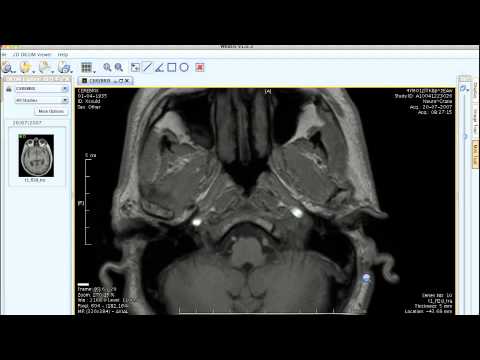
Weasis DICOM viewer is cross-platform, free/libre and open source software (FLOSS), multi-language and allows a flexible integration to PACS, RIS, HIS or PHR. This multi-platform DICOM viewer runs on Windows, Linux, and Mac OS X. It allows high-quality renderings with high performance through the OpenCV library.
Weasis Medical Viewer
It has been designed to meet several expectations of clinical information systems and their future evolution regarding medical imaging: providing web-based access to radiological images, as well as covering a considerable number of DICOM types and offering multimedia capabilities.
Weasis can display the content of most DICOM files including multi-frame, enhanced, MPEG-2, MPEG-4, MIME Encapsulation, SR, PR, KOS, AU, RT and ECG. It has a high level of DICOM implementation, see the viewer features.
Contribute to this documentation
Feel free to update this content, just click the Edit this page link displayed on top right of each page, and pullrequest it
Your modification will be deployed automatically when merged.
Weasis Reader

Weasis-win32.exe
Documentation website
Weasis Viewer
This current documentation has been statically generated with Hugo with a simple command: hugo – source code is available at GitHub.